.svg)
.avif)
Soil: The Living Foundation of Our Survival
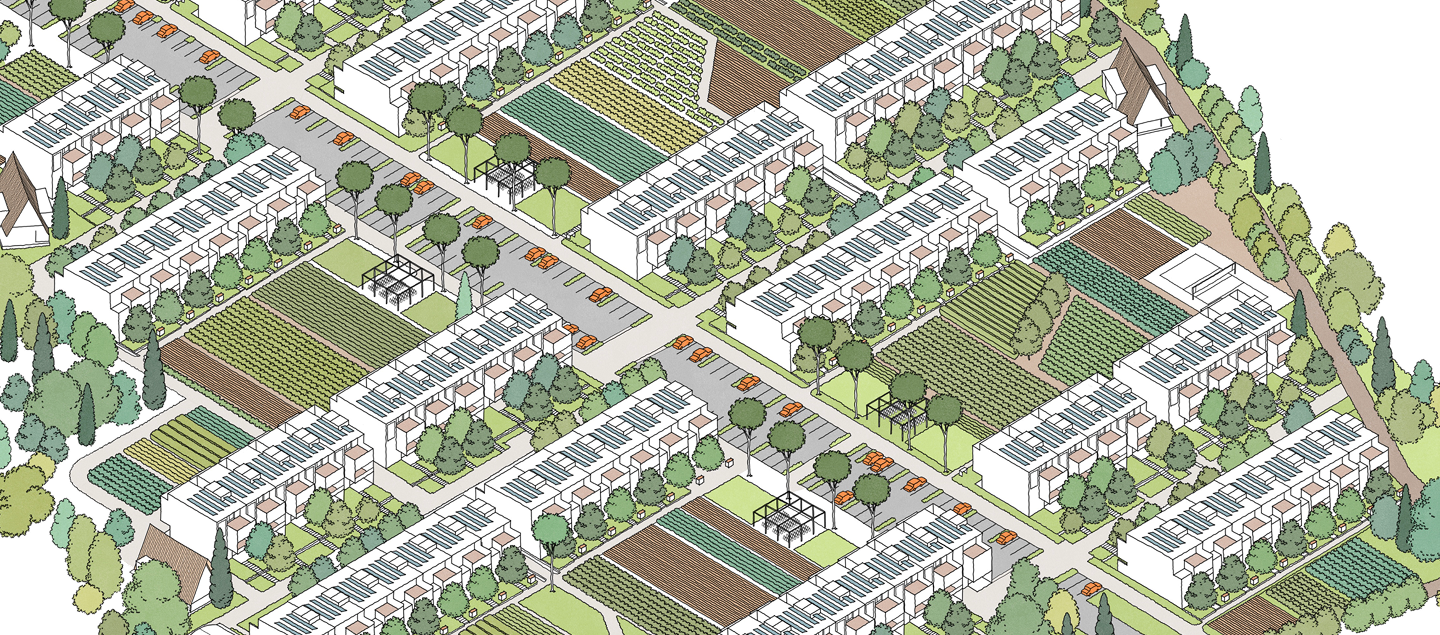
Since ancient times, soil has been revered as a living organism—the literal flesh of Mother Earth. It is a complex, life-giving natural resource that functions as the silent engine of our ecosystem. However, in the age of rapid urbanization and "concrete spaces," this vital resource has been neglected. While public discourse frequently tackles water contamination and climate change, soil health remains a forgotten crisis.
Our survival is inextricably linked to the ground beneath our feet. Healthy soil is the primary filter for our water, the stabilizer of our atmosphere, and the source of our nutrition. Yet, decades of conventional chemical farming and "overdosing" the land with synthetic inputs have stripped the soil of its vitality, plummeting the levels of soil organic matter (SOM). Without organic matter, soil is no longer a living system; it is merely dirt.
Restoring the Sacred Loop: Ancestral Wisdom
The path to restoration lies in reclaiming the "closed-loop" systems practiced by our ancestors. Historically, there was no such thing as "waste." Leftover food, fermented rice water, and yard debris were either composted or fed to livestock. In turn, cows and buffaloes acted as biological processors, breaking down organic matter into potent manure. This manure returned to the fields, replenishing the nutrients harvested by the crops and ensuring the cycle of life continued uninterrupted.
The Kandawada Initiative: A Modern Closed-Loop System
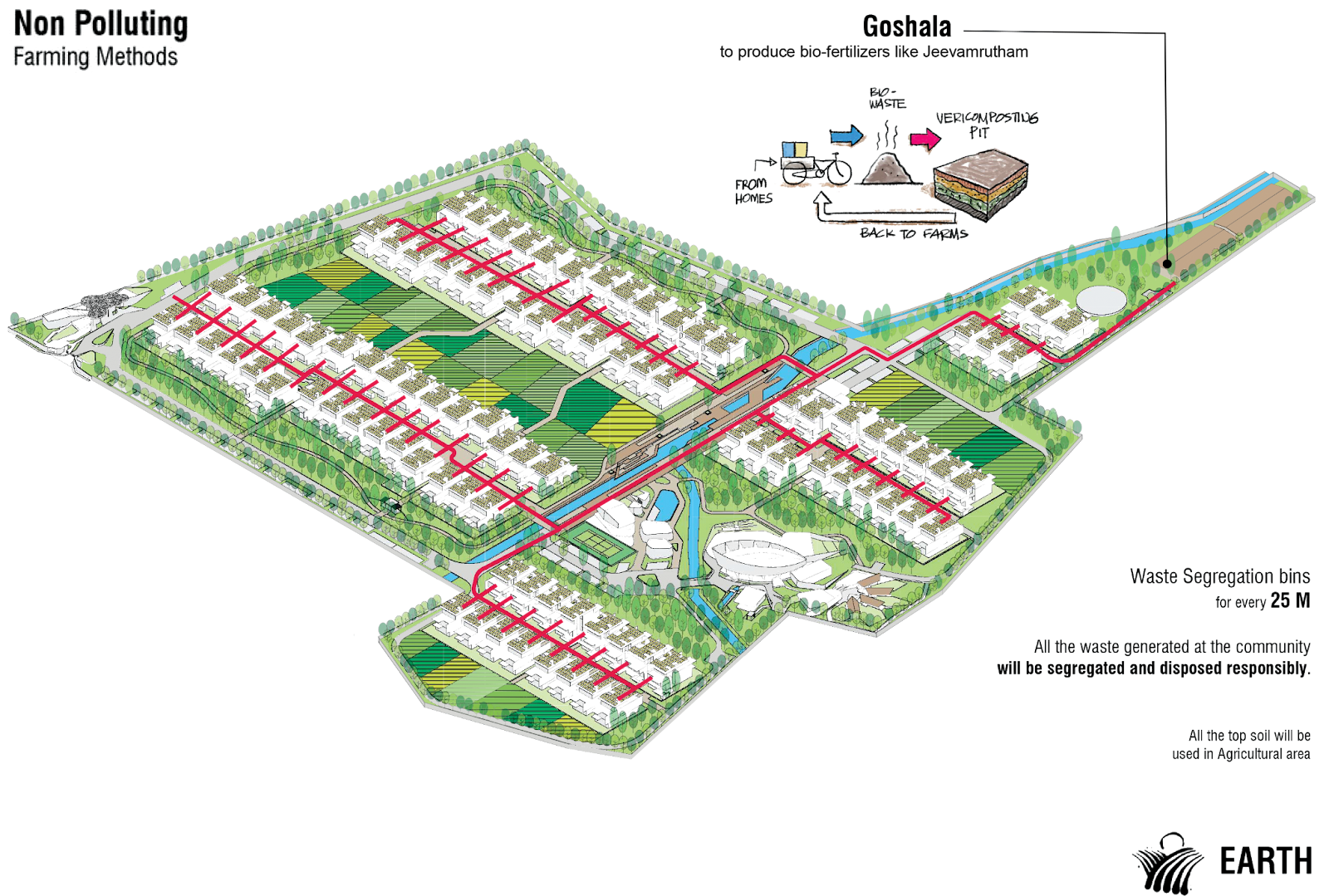
At Kandawada, we are reviving this ancestral wisdom through modern decentralized technology. By integrating biogas production and vermicomposting, we are transforming community waste into "black gold" for the earth.
1. The Biogas Ecosystem: Energy and Enriched Sludge
Our system begins with the daily collection of food waste from homes and community kitchens. After rigorous segregation to ensure the removal of plastics, this organic waste is fed into the Biogas plant alongside cow dung slurry from the community Goshala.
This anaerobic digestion process yields two invaluable outputs:
- Biogas: Captured and converted into clean electricity for the habitat.
- Nutrient-Rich Sludge: The byproduct is a concentrated slurry of carbon, nitrogen, and phosphorus. When returned to the land, this sludge increases water infiltration, sequesters carbon, and restores the microbial biodiversity essential for pollinator habitats.
2. Vermicomposting: The Alchemy of Earthworms
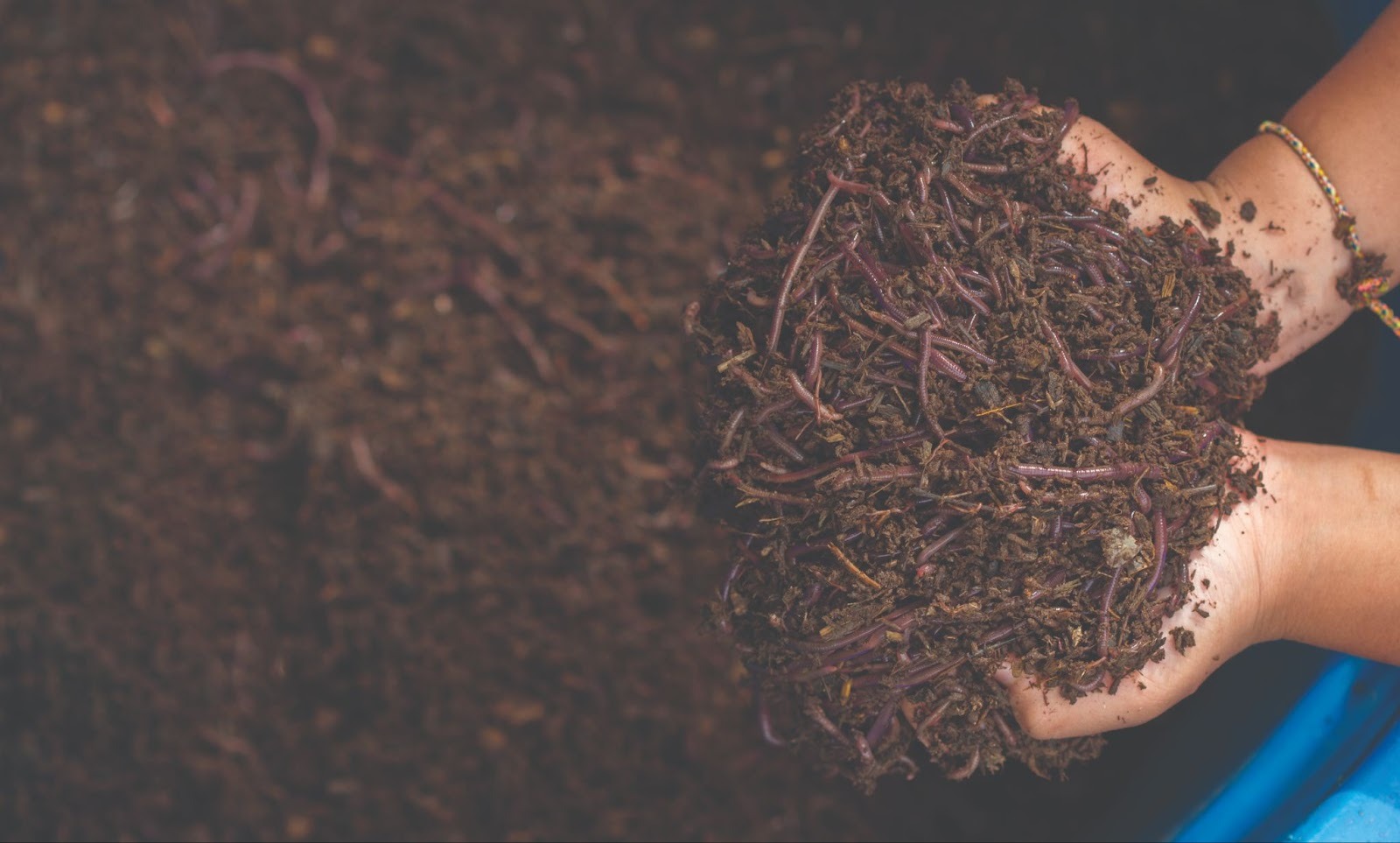
While some waste powers the biogas plant, a significant portion of cow dung is diverted to aerobic vermicompost beds located near collective farming areas. This is a biological symphony where bacteria, fungi, and earthworms—specifically Red Wigglers—collaborate to decompose complex matter.
- The Process: A strategic mix of cow dung, soil, and earthworms is layered in pits. Over approximately one month, the worms consume the waste, producing Vermicast.
- The Result: Vermicast is a superior organic fertilizer. It contains water-soluble nutrients, including calcium and potassium, in forms that are immediately "digestible" for plant roots.
Conclusion: Designing for a Resilient Future
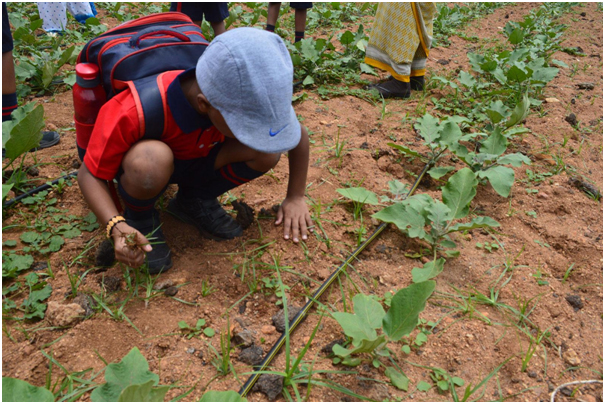
By monitoring soil health and designing these closed-loop systems, we do more than just manage waste; we rebuild the soil’s capacity to sustain plants, animals, and humans. This circular approach reverses the damage of chemical farming, ensuring that our habitat remains a productive, living organism for generations to come.



.jpeg)